Ahmed Hassan: Redefining Affordable Housing Through Ethical Entrepreneurship
In the rapidly evolving real estate landscape of Bengaluru, few names resonate with as much transformative power as Ahmed Hassan. As the Managing Partner of Halal Housing, Hassan has emerged as one of the most promising entrepreneurs of his generation, not merely for his business acumen, but for his profound impact on the socio-economic fabric of the housing sector.
By bridging the gap between ethical financial principles and the universal dream of homeownership, he has provided a new meaning and dimension to the concept of affordable housing.
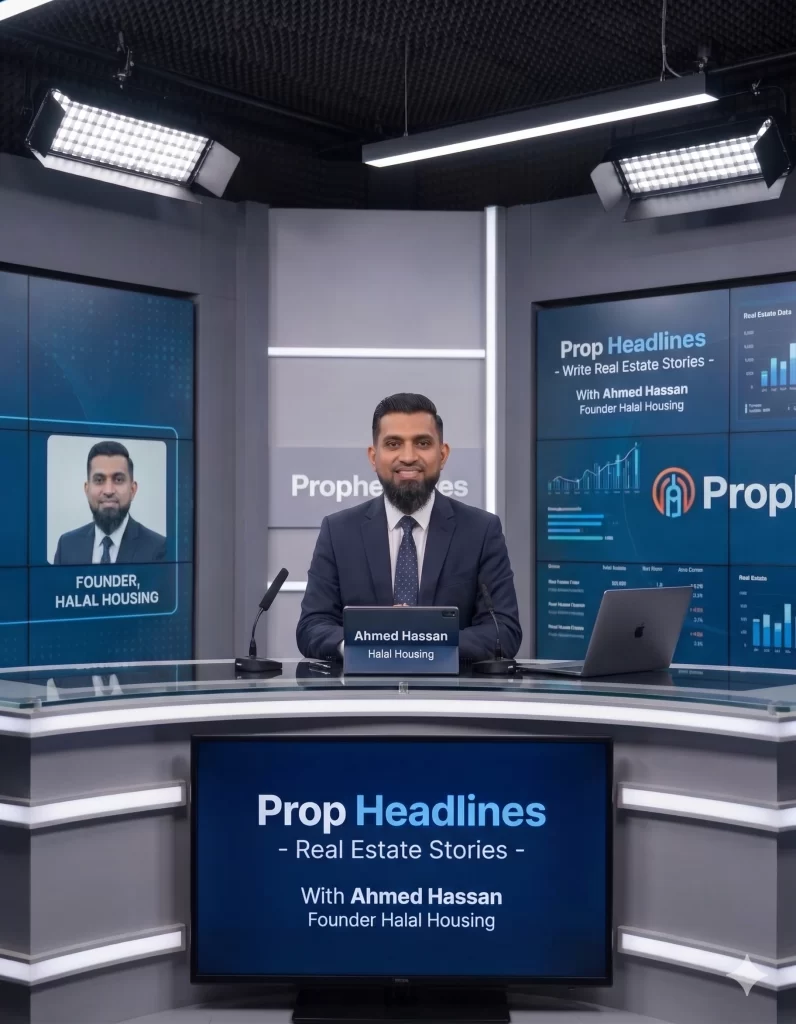
A Vision Beyond Brick and Mortar
For many, the path to owning a home is often obstructed by the complexities of traditional high-interest financing. Ahmed Hassan recognized this barrier early in his career and set out to create a model that prioritizes financial inclusivity.
Under his leadership, Halal Housing has moved beyond the standard developer-client relationship. He has introduced a philosophy where “affordable” doesn’t just refer to the price tag of the property, but to the long-term financial health of the buyer. By removing the burden of interest-based (Riba) transactions, Hassan has opened doors for thousands who previously felt excluded from the formal property market.
The Innovation of Interest-Free Payment Plans
The hallmark of Ahmed Hassan’s success is the implementation of robust interest-free payment structures. While the industry standard often relies on compounding interest and hidden bank charges, Hassan’s model is built on:
Transparency: Clear, upfront pricing without the escalating costs of traditional mortgages.
Flexibility: Payment schedules designed to align with the actual income cycles of middle-income families.
Equity-Based Growth: Ensuring that homeowners build real value in their properties from day one, rather than spending decades paying off interest.
This “interest-free” dimension has been a literal life-changer for families in Bengaluru, allowing them to secure assets like Halal Cocoville or Almond Acres without compromising their ethical or financial values.
Changing Lives: From Shelter to Stability
The impact of Ahmed Hassan’s work is best measured by the lives he has touched. By making homeownership accessible, he has provided families with more than just a roof; he has provided stability and dignity.
Wealth Preservation: Families are able to redirect funds that would have gone toward bank interest into education, healthcare, and savings.
Community Building: His projects, such as those in Gottigere and JP Nagar, are designed as cohesive communities that foster social support and shared values.
Market Influence: His success is forcing the wider real estate market to reconsider how they approach the “affordable” segment, proving that ethical business is also profitable business.
A New Dimension for the 21st Century
Ahmed Hassan stands as a beacon for the modern entrepreneur. He has demonstrated that the true measure of success is not found in the height of a skyscraper, but in the depth of the positive change brought to the community.
As Bengaluru continues to expand, Hassan’s blueprint for interest-free, ethical, and affordable housing serves as a vital model for the future. He has not only built homes; he has built a legacy of financial freedom, proving that with the right vision, business can indeed be a force for monumental good.
The shift toward interest-free, ethical housing models spearheaded by entrepreneurs like Ahmed Hassan has fundamentally altered the trajectory for the average home buyer. It moves the goalposts from a “debt-trap” scenario to a “wealth-creation” journey.
Here is an elaboration on how this model makes a tangible difference:
- Financial Liberation from Compounding Debt
In a traditional home loan, a buyer often ends up paying 2 to 2.5 times the actual cost of the home over a 20-year tenure due to compounding interest.
The Difference: With an interest-free payment plan, every rupee the buyer pays goes directly toward the principal ownership of the property. This transparency means the buyer knows exactly when they will own the home outright, without the fear of fluctuating interest rates or “hidden” banking costs.
- Immediate Equity Building
In standard banking models, the early years of monthly payments are heavily weighted toward paying off interest rather than the house itself.
The Difference: In the Halal Housing model, the buyer builds real equity from the first installment. If a buyer needs to sell or exit the project midway, they have a much higher stake in the property’s value because they haven’t “wasted” years paying off interest to a financial institution.
- Inclusion of the “Unbanked” and Ethical Investors
Many individuals, particularly small business owners or those with religious objections to Riba (usury), find it difficult to secure traditional bank loans or choose to avoid them entirely.
The Difference: This model creates a parallel market for those who are credit-worthy but “bank-averse.” It provides a dignified way for self-employed professionals and community members to enter the real estate market without compromising their personal or religious values.
- Psychological Peace and Security
Debt-related stress is a leading cause of mental health issues and family strain. The fear of foreclosure due to missed interest payments hangs over many traditional buyers.
The Difference: By using a mutually beneficial partnership model (such as Musharaka or joint ownership), the relationship between the developer and the buyer is one of cooperation rather than “lender and borrower.” This creates a sense of security and community support that is absent in the rigid, often cold, corporate banking structure.
Comparison: Traditional vs. Interest-Free Impact
| Feature | Traditional Mortgage | Interest-Free Plan (Ahmed Hassan Model) |
| Total Cost | Property Price + High Interest | Property Price (Transparent/Fixed) |
| Ownership | Bank holds title until the end | Incremental equity starts from day one |
| Risk | Floating interest rates can increase EMI | Fixed installments provide budget certainty |
| Philosophy | Profit through lending money | Profit through property development/value |
- Community-Centric Development
Because these projects are often tailored to specific ethical standards, the resulting neighborhoods tend to be more homogenous and supportive.
The Difference: For the home buyer, this means moving into a community where neighbors share similar values and financial ethics. This social cohesion often leads to better-maintained common areas, collaborative community events, and a safer environment for families.
In essence, this approach has turned the home-buying process from a stressful financial burden into a structured investment in the future, proving that affordable housing is most effective when it is paired with affordable financing.
Join our Whats app Channel : https://whatsapp.com/channel/0029Va4QnQXKQuJDKzWgtp1F
Like our Facebook page https://www.facebook.com/propheadlines/
For Latest Real Estate Investment News Log on to https://propheadlines.com/
Our Project Posting page https://propheadlines.net/