Second Wife Village in China
The practice of wealthy or powerful men in China maintaining mistresses (known locally as xiao san or ernai) in separate, sometimes nearby, apartments is a documented, though not universal, phenomenon often referred to as “second wife” culture. This practice is sometimes an open secret in business circles, aimed at maintaining a primary family unit while engaging in extramarital relationships.
Here are the key details regarding this social phenomenon:
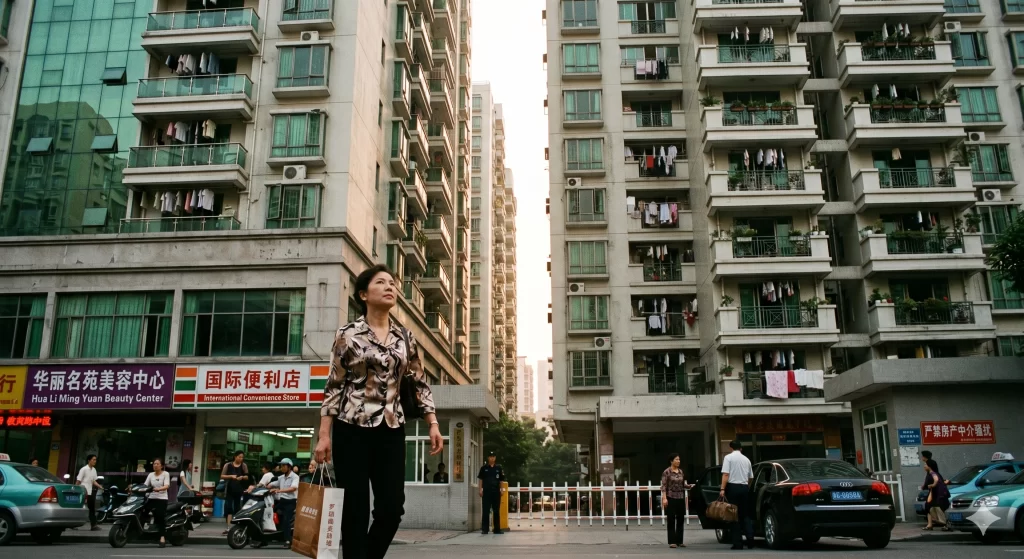
“Concubine Villages” and Apartments: In some areas, particularly around Shenzhen and the Guangdong province, specific locations have been referred to as “concubine villages” or “second wife villages,” where mistresses live in apartments paid for by wealthy business people or officials, often with the women living together in high-rise complexes.
Convenience and Proximity: Some men maintain apartments for their mistresses close to the border of Hong Kong or in nearby districts to their main home, allowing them to visit frequently (often termed “afternoon lovers”) without disturbing their official families.
“Ernai” (Second Wife): The term ernai refers to a mistress who is maintained financially, often with a dedicated apartment and a monthly stipend. These arrangements can be long-term, and some studies suggest this can be common among affluent individuals, sometimes seen as a status symbol similar to “playing golf”.
Reasons for the Practice:
Power and Wealth Display: It is often seen as a demonstration of power and wealth in a competitive market economy.
Maintaining Family Structure: Many men seek to avoid divorce to protect their social reputation, assets, and children, preferring to keep a mistress on the side, a practice sometimes accepted or tolerated by the first wife in exchange for financial security.
Prevalence: While often associated with the wealthy, a 2018 report noted that studies have estimated significant percentages of sexual relationships outside of marriage among men.
Important Distinctions:
Not a Generic Custom: This is not a standard practice for all residents but is concentrated among certain socioeconomic groups, such as high-level officials and business owners.
Social Taboo: Despite its prevalence, having a mistress is still generally viewed as a taboo, with xiao san (third person) often carrying a derogatory connotation.
Legal Action: The government and legal systems do not recognize these relationships, and in many cases, legal wives can take action against these arrangements.
Friendship Marriages: Distinct from this, some young Chinese adults are adopting “friendship marriages” (marrying for companionship, not love), where they may live in separate rooms or apartments within the same, or different, homes.
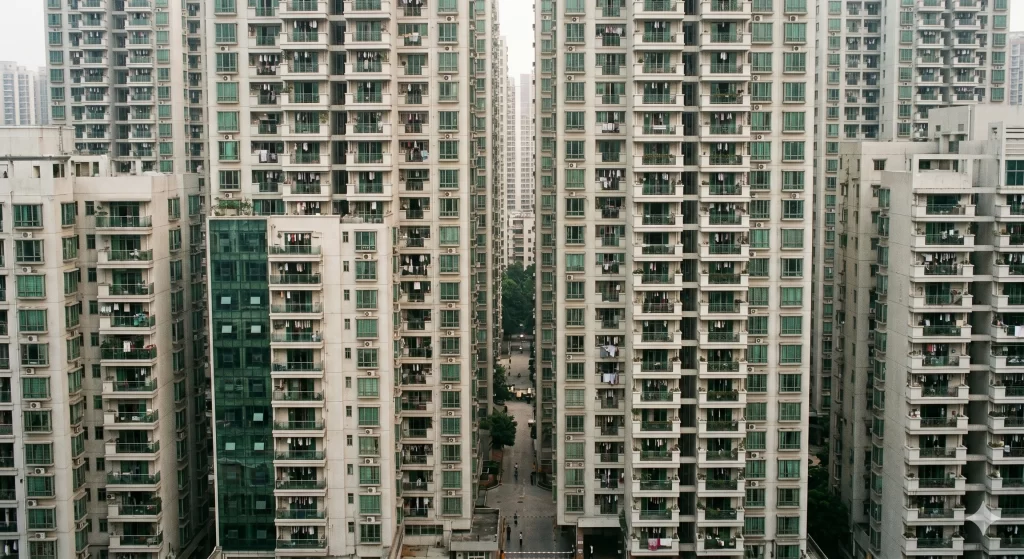
Detailed perspective : Second Wife Village
The sun doesn’t just rise over the Luohu District of Shenzhen; it glares off the floor-to-ceiling windows of the Huangbeiling high-rises, illuminating a world built on a foundation of “convenience” and “discretion.”
In the late 1990s and 2000s, these neighborhoods earned a whispered moniker: Ernai Cun, or Second Wife Villages. They became the architectural manifestation of a booming economy meeting a resurging ancient tradition.
The Golden Cage of Luohu
For many Hong Kong businessmen crossing the border, Shenzhen wasn’t just a manufacturing hub; it was a sanctuary where the cost of living—and the cost of a “second family”—was a fraction of what it was back home.
The Anatomy of an “Ernai Cun”
The lifestyle in these villages followed a predictable, almost ritualistic pattern:
The Apartment: Luxury high-rises like those in Huangbeiling or Xiasha provided the setting. They were modern, equipped with high-end appliances, and most importantly, located near the border checkpoints.
The Allowance: The women, often migrants from poorer inland provinces like Sichuan or Hunan, were provided with a monthly stipend ($5,000 to $10,000 HKD was common in the peak years), a car, and a designer wardrobe.
The “Weekend Husband”: The men would typically visit from Friday to Sunday, returning to their “first” families in Hong Kong or Guangzhou for the work week.
Life Inside the Village
To a casual observer, these complexes looked like any other affluent gated community. But look closer, and the social fabric revealed a strange, isolated ecosystem.
A Community of Mirrors : Second Wife Village
Because the women shared the same secret, the traditional stigma of being a “mistress” was replaced by a localized camaraderie. They shopped together at the Luohu Commercial City, played mahjong in the afternoons, and frequented the same high-end beauty salons.
“It was a community of women waiting for the same thing: a phone call or the sound of a key in the lock,” says one former resident. “We weren’t rivals; we were colleagues in a very strange firm.”
The Economic Ripple Effect
The presence of these villages birthed a micro-economy:
High-end Grocery Stores: Stocking imported goods and expensive supplements.
Specialized Legal Services: Lawyers who focused on property deeds and “support contracts.”
Security Firms: Private guards paid to ensure that the “first wife” never made a surprise appearance.
The Cracks in the Glass
The “Second Wife Village” phenomenon was never destined to last. As China’s economy matured and social policies shifted, the landscape began to change.
Property Values: As Shenzhen’s real estate prices skyrocketed, the cost of maintaining a “second home” became prohibitive even for the wealthy.
The Anti-Corruption Drive: In more recent years, government crackdowns on “moral failings” among officials made public displays of mistresses a dangerous liability.
The Rise of Independent Careers: As more opportunities opened for women in the tech and service sectors of Shenzhen, the appeal of a “golden cage” diminished.
The Legacy
Today, the physical buildings still stand, but the term Ernai Cun is fading into local folklore. Many of the apartments have been sold to young professionals working in Shenzhen’s booming tech sector.
The “concubine villages” serve as a historical footnote to a transitional era in China—a time when the rapid influx of wealth moved faster than the legal and social structures intended to manage it. They were places of luxury and loneliness, built on the shifting sands of a border that is now more integrated than ever.
Join our Whats app Channel : https://whatsapp.com/channel/0029Va4QnQXKQuJDKzWgtp1F
Like our Facebook page https://www.facebook.com/propheadlines/
For Latest Real Estate Investment News Log on to https://propheadlines.com/
Our Project Posting page https://propheadlines.net/